8 Tasty and Nutritious Indian Lunch Ideas for Toddlers at Daycare or Preschool
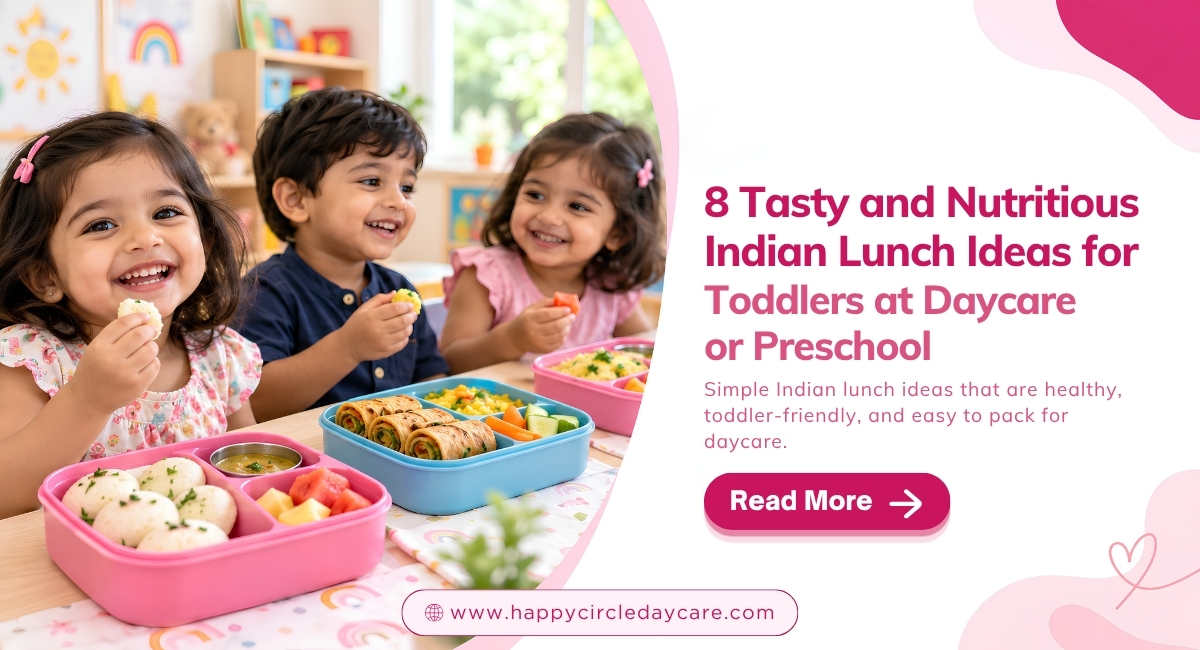
Table of content
- Introduction
- What Makes a Healthy Lunch for Toddlers?
- Vegetable Moong Dal Khichdi
- Soft Vegetable Idli with Mild Chutney
- Mini Vegetable Parathas with Curd
- Vegetable Poha with Peas
- Soft Paneer and Vegetable Rice
- Vegetable Upma
- Mini Besan Chilla with Vegetables
- Curd Rice with Cooked Vegetables
- Tips for Packing a Healthy Daycare Lunch Box
- Conclusion
- Frequently Asked Questions
Introduction
Packing a lunch box for a toddler can be challenging for parents. One day, your child happily finishes their favourite meal, and the next day, the same food comes back untouched. This is common because young children have changing tastes and eating habits. As parents, we want to provide nutritious meals that our little ones will enjoy.
Choosing Indian lunch ideas for toddlers becomes easier with simple homemade dishes like khichdi, idli, vegetable paratha and soft rice. These familiar foods can provide important nutrients while being easy for children to eat. With a little planning and variety, parents can prepare healthy lunch boxes without spending too much time in the kitchen. Small changes can make everyday meals more enjoyable.
What Makes a Healthy Lunch for Toddlers?
Toddlers need a variety of foods to support their growth, energy and development. A nutritious lunch can include grains, vegetables, protein-rich foods and suitable sources of healthy fats. For example, rice provides energy, dal offers protein and vegetables contribute vitamins, minerals and fibre.
Understanding a Balanced Toddler Meal
Balanced meals for preschool kids do not need to be complicated. A simple homemade meal containing rice, dal and vegetables can offer several important nutrients. Parents can also include curd, paneer or other suitable foods based on their child's dietary needs.
According to UNICEF Parenting, healthy eating habits and nutritious food are important during childhood. Children's appetites can change from day to day. Parents should focus on offering variety rather than expecting every lunch box to be completely empty. Food should always be prepared in age-appropriate sizes and textures.
Vegetable Moong Dal Khichdi
Khichdi is a familiar Indian dish that can be a comfortable lunch option for toddlers. It combines rice and dal in one meal and can be prepared with soft vegetables.
How to Prepare It: Cook rice and yellow moong dal with finely chopped carrots, beans or bottle gourd. Add a little turmeric and cook until everything becomes soft. A small amount of ghee can be added for flavour. Avoid making the khichdi too spicy.
Why It Is a Good Lunch Option
Moong dal provides protein, while rice supplies energy. Vegetables add fibre and other nutrients. Khichdi is also easy to adjust according to a child's chewing ability. For parents exploring healthy daycare lunch ideas, vegetable khichdi is a practical option because it uses familiar ingredients and can be prepared in one pot. Pack it in a clean, insulated food container that keeps it at a safe temperature until lunchtime.
Soft Vegetable Idli with Mild Chutney
Idli is a popular South Indian breakfast dish, but it can also work well as a preschool lunch. Its soft texture makes it suitable for many toddlers.
How to Prepare It: Prepare idli batter using rice and urad dal. Add finely grated carrots or other suitable vegetables before steaming. Cook until the idlis are soft and fully done. Cut them into manageable pieces based on the child's age. Serve with a mild chutney if the daycare can store it safely.
Why Children May Enjoy It
Mini idlis are easy for small hands to pick up. They also provide an opportunity to introduce vegetables in a familiar dish. Parents can make different shapes using suitable idli moulds. Avoid very spicy chutneys and check that any ingredients used are suitable for the child.
Mini Vegetable Parathas with Curd
Parathas are a common choice for Indian lunch boxes. For toddlers, soft mini parathas can be easier to manage than large portions.
How to Prepare Them Prepare whole wheat dough and add finely grated carrots, cooked spinach or mashed vegetables. Roll the dough into small parathas. Cook them thoroughly using a little oil or ghee. Cut the parathas into small, soft pieces. If suitable storage is available, pack plain curd separately.
Why It Is a Useful Lunch Idea
Whole wheat provides energy and fibre. Vegetables add variety, while curd can contribute protein and calcium. These preschool lunch box ideas Indian families commonly use can be adjusted according to children's tastes. Keep the parathas soft and avoid making them too thick or difficult to chew. Curd should be packed cold and kept chilled until it is eaten.
Vegetable Poha with Peas
Poha is a light and familiar Indian dish that can be prepared with vegetables. It is also convenient for parents who need a quick morning meal.
How to Prepare It: Wash thick poha and allow it to soften. Cook finely chopped carrots and peas until tender. Add the poha with mild seasoning and mix gently. A little lemon juice can be added if the child enjoys the taste.
Why It Works for Toddlers
Poha provides carbohydrates for energy. Peas and vegetables add nutrients and make the dish colourful. The texture can be adjusted by adding a little moisture. Among easy toddler tiffin recipes, vegetable poha is useful because it requires simple ingredients and does not take much time. Make sure peas are cooked until soft and lightly mashed for younger children. Avoid whole peanuts and other hard toppings that may create choking risks.
Soft Paneer and Vegetable Rice
Rice dishes are convenient for lunch boxes because they can combine different food groups. Paneer and vegetable rice is one option for children who enjoy mild flavours.
How to Prepare It: Cook rice until soft. Steam finely chopped carrots, beans or other vegetables until tender. Add small pieces of soft paneer and mix everything with the rice. Use mild seasoning and a little ghee if preferred.
Why It Is Nutritious
Paneer provides protein and calcium. Rice supplies energy, while vegetables contribute fibre and vitamins. This dish can be a suitable vegetarian lunch box for toddlers when prepared according to their age and chewing ability. Make sure paneer pieces are small and soft. Pack the rice promptly after cooking and maintain a safe temperature. Cooked rice should not be left at room temperature for long periods.
Vegetable Upma
Upma is another familiar South Indian dish that can be included in a toddler's lunch box. It can be prepared with semolina and finely chopped vegetables.
How to Prepare It: Roast semolina lightly. Cook finely chopped carrots, beans and other suitable vegetables until soft. Add water and semolina, stirring until the mixture is fully cooked. Keep the texture moist and soft.
Why It Is a Practical Choice
Upma provides energy and can include a variety of vegetables. Parents can adjust its consistency depending on their child's preference. For younger toddlers, a softer texture may be easier to eat. Avoid adding whole nuts, large vegetable pieces or strong spices. A small amount of ghee may be added for flavour. Upma is also convenient because parents can prepare the ingredients beforehand and cook the dish fresh in the morning.
Mini Besan Chilla with Vegetables
Besan chilla is a simple savoury pancake made using gram flour. It can be prepared with vegetables and served in small portions.
How to Prepare It: Mix besan with water to create a smooth batter. Add finely grated carrots, cooked spinach or other suitable vegetables. Pour small portions onto a pan and cook both sides thoroughly. Keep the chillas soft rather than crispy. Cut them into manageable pieces before packing.
Why Children May Enjoy It
Besan provides plant-based protein, while vegetables add nutrients and flavour. Mini chillas are easy to hold and can encourage independent eating. Parents can also change the vegetables to introduce variety. Make sure the batter is cooked completely and the pieces are suitable for the child's chewing ability.
Curd Rice with Cooked Vegetables
Curd rice is a familiar comfort food in many Indian homes. Its soft texture and mild flavour may appeal to toddlers.
How to Prepare It: Cook rice until soft and allow it to cool safely. Mix with plain curd and add finely chopped, cooked vegetables. Avoid strong spices and hard toppings.
Why It Is a Good Option
Curd provides calcium and protein, while rice supplies energy. Cooked vegetables add variety and nutrients. Curd rice can be one of the simpler daycare food ideas for kids, especially for children who prefer mild flavours. However, it requires careful temperature control. Pack it in a chilled container with an ice pack and confirm that the daycare has suitable cold storage. If proper refrigeration is unavailable, choose a different lunch option.
Tips for Packing a Healthy Daycare Lunch Box
Preparing nutritious food is only one part of planning a toddler's lunch. Parents should also consider food safety, portion sizes and the child's ability to eat independently.
Keep Lunch Simple and Safe
Choose familiar foods and introduce new dishes gradually at home before sending them to daycare. Pack small portions that match your child's appetite. Use clean, leak-proof containers that are easy to open. Hot foods should be kept hot, and chilled foods should remain cold until mealtime. An insulated bag alone may not maintain a safe temperature. Avoid foods that can create choking risks, including whole nuts, hard raw vegetables and large pieces of food.
The CDC provides guidance on reducing choking risks for young children. Parents should also inform daycare staff about food allergies and any special dietary requirements. The FSSAI offers food safety information relevant to safe food preparation and handling. A simple weekly meal plan can help parents provide variety without making mornings stressful.
Conclusion
Preparing a healthy lunch for your toddler does not have to be difficult. Simple homemade Indian meals can provide important nutrients while keeping lunchtime enjoyable. Parents can focus on balanced meals, age-appropriate portions and safe food preparation. Remember that every child has different food preferences, and their appetite may change from day to day. With patience and variety, children can gradually develop healthy eating habits.
At Happy Circle Childcare & Daycare, we believe every child deserves a safe, happy and caring place to learn and grow. Our daily routines are designed to help children develop healthy habits, build confidence, make friends and enjoy their early years. If you're looking for the best daycare in Indiranagar, we invite you to explore our childcare programmes and see how we support your child's growth and development. To learn more about our facilities, activities and daily routines, feel free to Contact Us.
Frequently Asked Questions
How can I keep my toddler's daycare lunch fresh?
Use clean containers and appropriate hot or cold storage. Perishable foods should not remain at room temperature for long periods. Check the daycare's storage facilities before packing items such as curd or paneer.
Are vegetarian lunches healthy for preschool children?
Yes. Well-planned vegetarian meals can provide important nutrients through dal, beans, grains, vegetables, dairy and other suitable foods. Parents should ensure enough iron, protein and other essential nutrients.
What can I pack for a toddler who is a picky eater?
Begin with familiar foods and introduce small changes gradually. Avoid forcing children to finish everything, and offer different foods regularly without pressure.
How much lunch should I pack for my toddler?
Portion sizes depend on the child's age, appetite and growth needs. Start with a manageable quantity and adjust based on feedback from your child and daycare staff.
What are some healthy Indian lunch ideas for toddlers?
Vegetable khichdi, soft idli, mini parathas, poha, paneer rice, upma, besan chilla and curd rice are familiar Indian options that can be prepared with suitable ingredients and textures.
Happy Circle Child Care & Day Care
Happy Circle Day Care