Looking for the Best Daycare in New Thippasandra? Here’s What Parents Should Know

Table of content
A Caring Daycare Environment in New Thippasandra
Learning Through Play and Activities
Safe and Comfortable Surroundings
Supporting Overall Child Development
What Makes a Good Daycare in New Thippasandra?
Experienced and Caring Educators
Child-Friendly Daily Routine
Safety and Hygiene
Regular Parent Communication
Learning and Development at Daycare
Communication and Language Skills
Social and Emotional Development
Creativity and Problem-Solving
Physical Development
Independence and Self-Care
Daycare Facilities Parents Should Check
Safety and Security in Daycare
Choosing the Right Daycare in New Thippasandra
Frequently Asked Questions
Introduction
The early years of a child's life are important for learning, development and building confidence. A good daycare gives children a safe place where they can learn, play and interact with others. It also helps them develop communication, social, emotional and physical skills through simple everyday experiences.
Parents searching for daycare in Bangalore or day care facilities near me want more than basic supervision. They want a caring environment where their child feels comfortable and receives proper attention throughout the day.
A Caring Daycare Environment in New Thippasandra
Learning Through Play and Activities
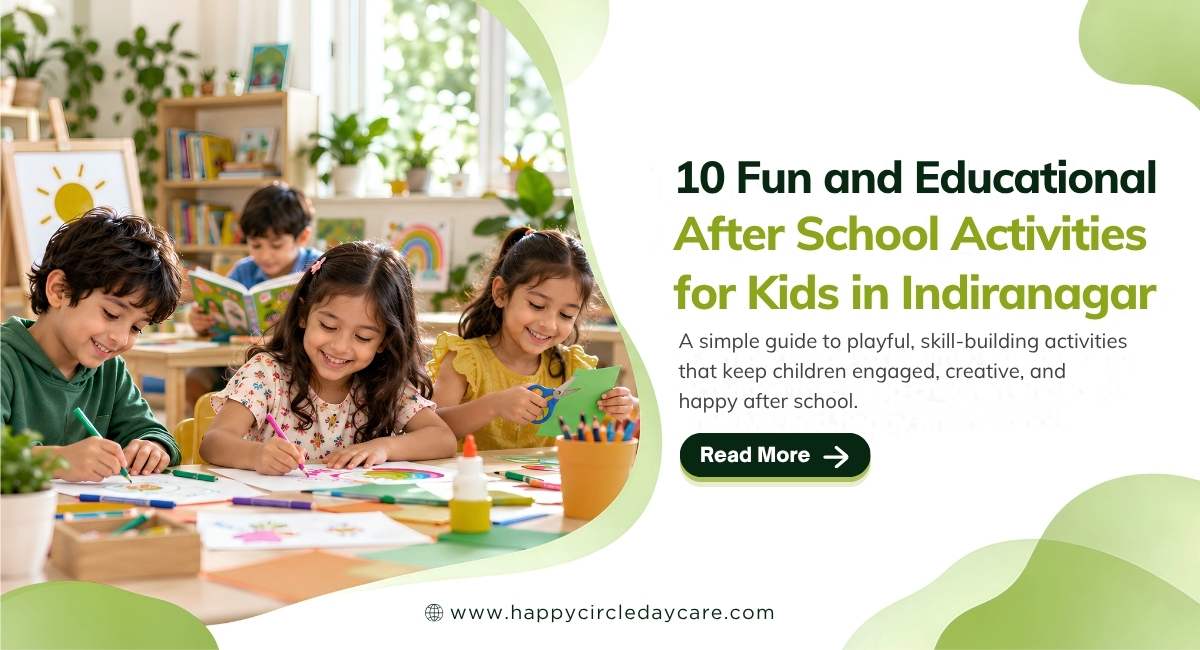
Young children learn naturally when they are involved in activities. Storytelling, puzzles, art, music, building blocks and pretend play can make everyday learning enjoyable. These activities also allow children to explore new ideas and communicate with others.
A good day care programme should provide enough opportunities for children to explore and participate without creating unnecessary academic pressure. Learning should feel enjoyable and suitable for their age.
Safe and Comfortable Surroundings
Children need a clean and welcoming space where they can move and play comfortably. Classrooms, activity areas, washrooms and eating spaces should be designed for young children.
The environment should also provide enough space for active play, quiet activities and rest. Toys and learning materials should be age-appropriate and stored safely.
Supporting Overall Child Development
Daycare should support more than early academics. Daily experiences should help children develop communication, social confidence, emotional awareness, creativity, independence and physical coordination.
Activities should give children opportunities to talk, listen, explore and interact with others. A balanced approach helps children learn important skills naturally.
What Makes a Good Daycare in New Thippasandra?
Experienced and Caring Educators
Teachers and caregivers play an important role in a child's daycare experience. They should communicate patiently and understand that every child develops and adjusts at a different pace.
Some children may feel comfortable from the first day, while others may need more time. Caregivers should provide reassurance and help children settle without forcing them to participate immediately.
Child-Friendly Daily Routine
A balanced routine can help children feel secure because they gradually understand what happens during the day. The schedule may include learning activities, free play, meals, rest, storytelling and physical movement.
The routine should provide structure without making children feel rushed. Young children need enough time to complete activities and move comfortably from one part of the day to another.
Safety and Hygiene
Parents should check how the centre manages entry, exit and authorized pick-up. Basic first-aid arrangements and emergency procedures should also be clearly explained.
Regular cleaning of classrooms, toys, washrooms and eating areas is equally important. Children should also be encouraged to follow simple hygiene habits such as washing their hands.
Regular Parent Communication
Parents should receive clear updates about their child's meals, rest, activities and general adjustment. Communication helps families stay connected with their child's everyday daycare experience. Parents should also feel comfortable contacting the centre if they have concerns or need to share important information about their child.
Learning and Development at Daycare
Communication and Language Skills
Stories, songs and everyday conversations can help children improve vocabulary, listening and speaking skills. Caregivers can encourage children to express simple needs and talk about their experiences.
Social and Emotional Development
Group play gives children opportunities to share, take turns and interact with others. With patient guidance, children can also begin to recognize emotions and express their feelings in suitable ways.
Creativity and Problem-Solving
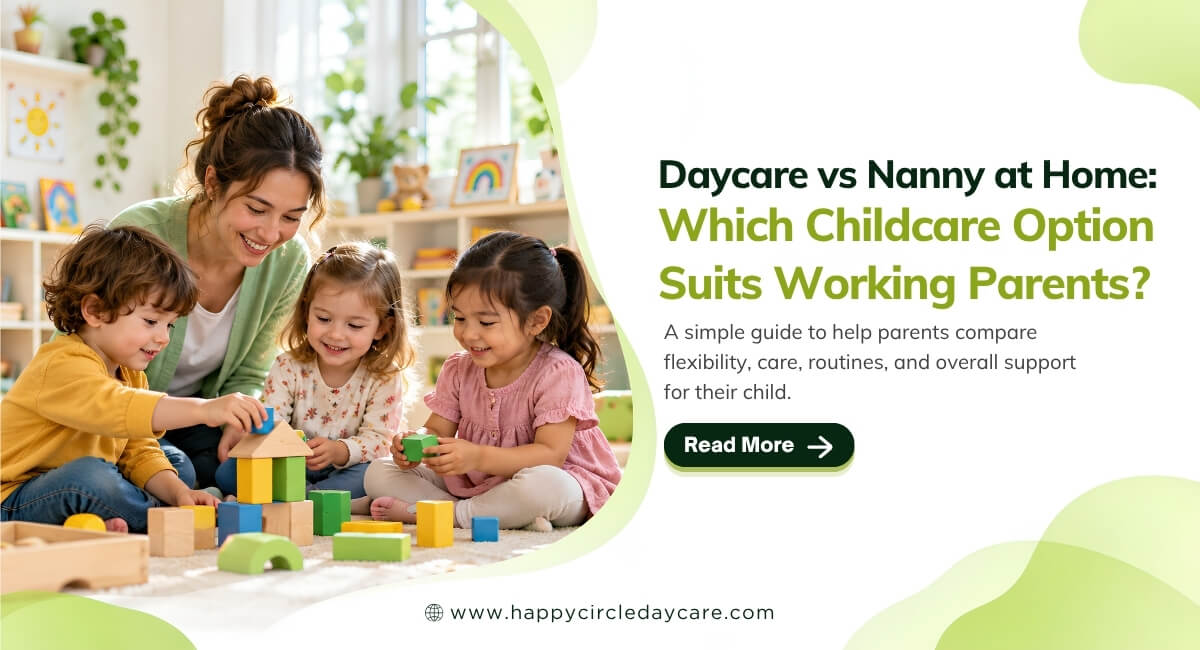
Art, puzzles, blocks and pretend play allow children to use their imagination. When children face simple challenges during play, caregivers can encourage them to think and try different solutions.
Physical Development
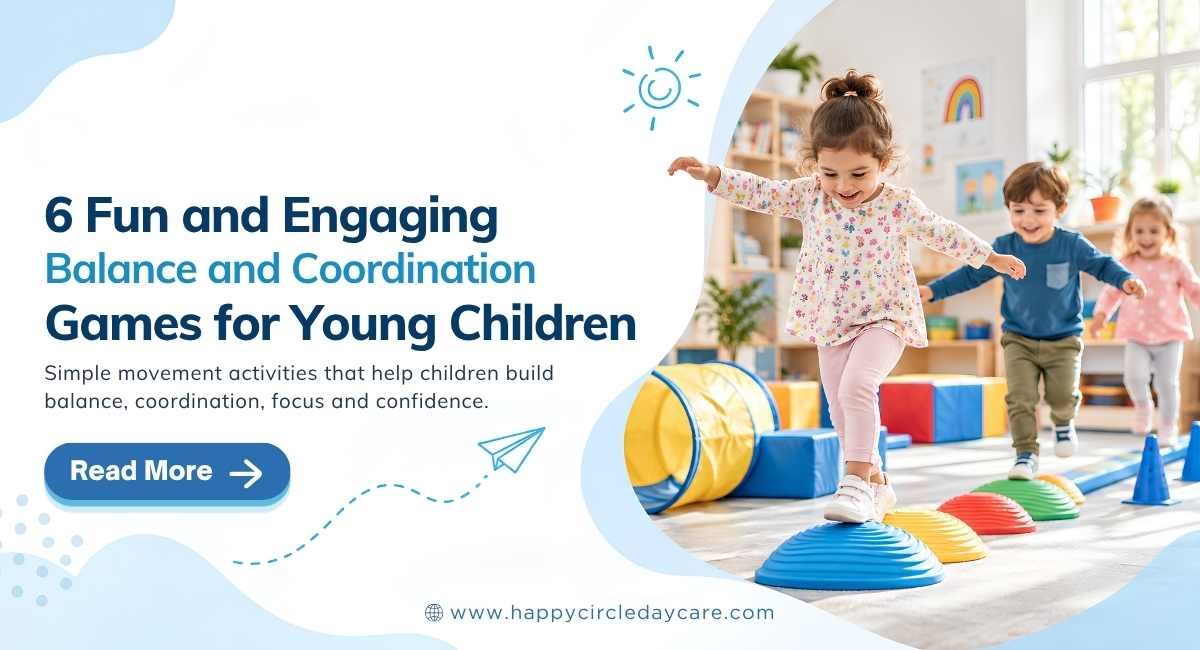
Indoor and outdoor movement activities can help children improve balance, coordination and motor skills. Physical play also gives children an opportunity to remain active during the day.
Independence and Self-Care
Simple routines such as washing hands, eating independently and putting toys away can gradually build responsibility. Children should be encouraged to try small tasks themselves before receiving help.
Daycare Facilities Parents Should Check
Parents searching for day care facilities near me should look beyond colourful classrooms and attractive decorations. Practical facilities can have a direct impact on a child's comfort during longer daycare hours.
Check whether the centre provides clean activity areas, child-friendly washrooms, safe play spaces and suitable areas for meals and rest. Children should have access to age-appropriate toys, books and learning materials.
For children attending day daycare, the centre should provide enough time for activities and relaxation. Young children should not be expected to participate in structured learning throughout the entire day.
A comfortable rest area is especially important for younger children who may need a nap. Parents should understand how sleeping arrangements are managed and supervised.
Safety and Security in Daycare
Trained Caregivers
Staff should understand basic childcare, hygiene and safety practices. They should also know how to respond calmly when a child needs help.
Secure Pick-Up and Drop-Off
Children should only be handed over to authorized parents or caregivers according to the centre's policy. Parents should clearly understand the pick-up process.
First-Aid Readiness
Parents should ask how the centre handles minor injuries, illness and emergencies. Clear communication is important if a child becomes unwell during the day.
Clean and Hygienic Spaces
Regular cleaning should be maintained across classrooms, washrooms, eating areas and play spaces. Clean surroundings can make longer daycare hours more comfortable for children.
Choosing the Right Daycare in New Thippasandra
If you are looking for daycare in New Tippasandra, visit a few centres in Thippasandra before deciding. Observe the environment, speak with the caregivers and understand the daily routine.
The right day care centre should provide a safe and caring environment where your child can learn, play, rest and develop comfortably. Choose a centre that suits both your child's needs and your family's daily routine.
Give your child a joyful start to learn at Happy Circle Child Care & Day Care. To Enroll, Visit: www.happycircledaycare.com
Frequently Asked Questions
How can parents choose the right daycare?
Visit different centres, observe the environment and compare their routines, caregivers, facilities and safety practices.
What safety measures should a daycare follow?
It should have secure entry, authorised pick-up, trained caregivers, first-aid support and clean spaces.
How does daycare support child development?
Daycare supports communication, social skills, creativity, independence and physical development.
What daycare facilities should parents check?
Check the classrooms, washrooms, play areas, meal spaces, rest areas and learning materials.
What makes a good daycare in New Thippasandra?
A good daycare provides caring teachers, safe facilities, a balanced routine and age-appropriate activities.

Happy Circle Child Care & Day Care
Happy Circle Day Care