Top Immunity Boosting Foods for Kids: A Parent's Guide for 2026
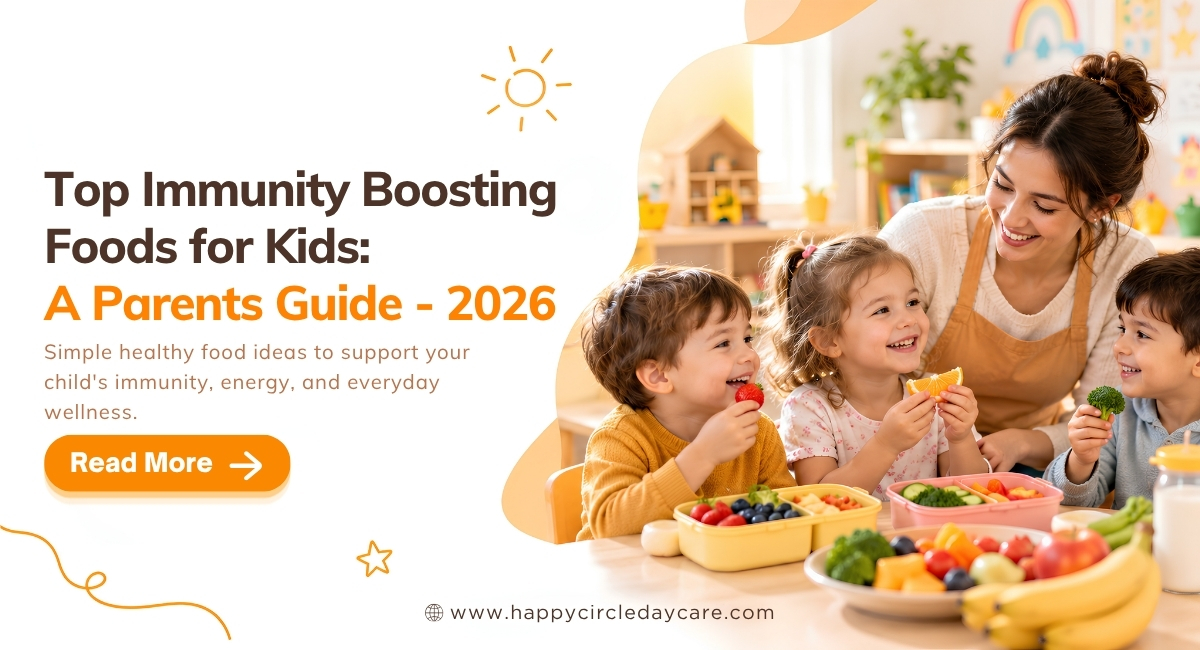
Table of content
1. Introduction
2. Why Good Nutrition Matters for Children's Immunity
3. Vitamin C-Rich Fruits for Kids
4. Colourful Vegetables for Everyday Nutrition
5. Protein-Rich Foods That Support Healthy Growth
6. Curd and Other Nutritious Dairy Foods
7. Whole Grains, Nuts and Seeds for Balanced Nutrition
8. Healthy Indian Snacks for Toddlers
9. Simple Ways to Build Healthy Eating Habits
10.Conclusion
11.Frequently Asked Questions
Introduction
Every parent wants their child to stay healthy, active and happy. But when children start attending preschool or daycare, they meet more people and may catch common infections more often. This can leave parents wondering whether their child is getting enough nutrition.
Including immunity-boosting foods for kids in everyday meals is one way to support normal immune function and healthy growth. Fruits, vegetables, dal, curd and other familiar Indian foods provide nutrients that children's bodies need. However, no single food can prevent colds, flu or other infections. A balanced diet, proper sleep, physical activity, good hygiene and recommended vaccinations all play important roles in children's health. This guide explains simple food choices that parents can include in their child's daily routine without making mealtimes stressful or complicated.
1. Why Good Nutrition Matters for Children's Immunity
The immune system helps the body recognise and respond to harmful germs. During early childhood, the immune system continues developing as children grow. Food provides vitamins, minerals, protein and energy that support normal body functions, including immune health.
Understanding the Role of a Balanced Diet: Healthy foods for children should include a variety of food groups rather than focusing on one particular ingredient. For example, fruits provide vitamins, dal supplies protein and whole grains offer energy. Nutrients such as vitamins A, C and D, zinc and iron contribute to normal immune function. According to UNICEF Parenting, nutritious diets are important for children's growth and development. Parents should remember that even children who eat well may sometimes become unwell. Food supports overall health, but it cannot guarantee protection against infections.
2. Vitamin C-Rich Fruits for Kids
Fruits are an easy way to add important nutrients to a child's diet. Many fruits contain vitamin C, which supports normal immune function and helps the body absorb iron from plant-based foods.
Fruits to Include in Everyday Meals: Oranges, guava, amla, papaya and strawberries are examples of fruits that provide vitamin C. Parents can offer these fruits according to the child's age, preferences and chewing ability. Guava can be served in small, suitable pieces after removing hard seeds when necessary. Papaya can be mashed or cut into soft pieces. Amla may be offered in age-appropriate preparations without excessive added sugar. These vitamin rich foods for children can be included in breakfast, snacks or alongside meals. Whole fruits are generally preferable to sugary packaged fruit drinks. Introduce different fruits gradually and avoid forcing children to finish large portions.
3. Colourful Vegetables for Everyday Nutrition
Vegetables provide vitamins, minerals and fibre that support children's overall health. Different colours often indicate different nutrients, which is why offering variety is useful. Making Vegetables More Appealing
Carrots, pumpkin, spinach, tomatoes, beans and sweet potatoes are familiar options in Indian homes. Carrots and pumpkin contain beta-carotene, which the body can convert into vitamin A. Vitamin A supports normal immune function, vision and growth. Parents can add finely chopped vegetables to khichdi, upma, dosa batter or soft parathas. For younger toddlers, vegetables should be cooked until soft and served in safe sizes. Offering different fruits and vegetables for kids helps children become familiar with a wider range of tastes and textures. If a child refuses a vegetable, try offering it again another day without pressure. Repeated, relaxed exposure can help children gradually accept new foods.
4. Protein-Rich Foods That Support Healthy Growth
Protein is important for children's growth, tissue repair and normal immune function. It helps the body build and maintain cells, including those involved in immune responses.
Simple Protein Sources for Indian Families: Dal, beans, chickpeas, paneer, eggs and suitable dairy products are useful protein sources. Families who eat non-vegetarian food may also include well-cooked fish or chicken. Moong dal khichdi is a simple meal combining grains and pulses. Soft paneer pieces can be added to rice or vegetables. Eggs can be served fully cooked in age-appropriate portions. These are examples of immune supporting foods for toddlers because they provide nutrients needed for normal growth and health. Avoid giving whole nuts to young children because they can cause choking. Parents should also consider allergies and speak with a paediatrician if their child has dietary restrictions.
5. Curd and Other Nutritious Dairy Foods
Curd is a familiar food in many Indian households. It provides protein and calcium, which support children's growth and bone development. Some curd products also contain live cultures that may contribute to digestive health.
Including Curd in Everyday Meals: Plain curd can be served with rice, soft parathas or other suitable foods. Parents can also mix it with mashed fruit to create a simple snack. Choose plain, pasteurised dairy products without excessive added sugar. For children who cannot tolerate dairy, parents can discuss suitable alternatives with a healthcare professional. Curd should be stored at a safe temperature and should not be left outside refrigeration for long periods. Although curd can be part of a nutritious diet, it should not be treated as a guaranteed way to prevent illness. A varied diet remains more important than relying on one food.
6. Whole Grains, Nuts and Seeds for Balanced Nutrition
Whole grains provide carbohydrates, fibre and several important nutrients. They help supply the energy children need for playing, learning and everyday activities.
Nutritious Foods to Try: Whole wheat, oats, ragi and other suitable grains can be included in meals. Parents can prepare soft ragi porridge, vegetable oats or whole wheat parathas. Nuts and seeds also provide useful nutrients, including healthy fats and minerals. However, they must be served safely. Whole nuts, large seed portions and thick spoonfuls of nut butter can be choking hazards for young children. Smooth nut butter may be spread thinly on suitable foods if the child has no known allergy. The CDC provides guidance on preventing choking during early childhood. Parents should choose textures that match their child's chewing abilities.
7. Healthy Indian Snacks for Toddlers
Snack time is another opportunity to provide nutritious foods. Young children may prefer smaller meals and snacks throughout the day. Parents can choose simple homemade options instead of relying regularly on packaged foods high in added sugar or salt.
Easy Snack Ideas for Busy Parents: Some healthy Indian snacks for toddlers include soft vegetable idli, mini besan chilla, mashed sweet potato and fruit with plain curd. Vegetable poha and soft homemade dhokla can also be suitable when prepared with mild seasoning. For younger children, avoid hard toppings and cut food into safe pieces. Snacks should complement regular meals rather than replace them. Parents can prepare ingredients beforehand to make busy mornings easier. Offering water regularly is also important. Avoid using sweets as rewards for finishing meals, as this may encourage unhealthy eating habits.
8. Simple Ways to Build Healthy Eating Habits
Children's eating habits develop gradually through everyday experiences. Some children enjoy trying new foods, while others prefer familiar meals. Parents can encourage healthy eating by keeping mealtimes relaxed and predictable.
Practical Child Nutrition Tips for Parents: One of the most useful child nutrition tips for parents is to offer variety without forcing children to eat. Serve small portions and allow children to ask for more when they are hungry. Include familiar foods alongside new ingredients. Family meals can help because children often learn by watching adults eat. Avoid comparing your child's appetite with that of siblings or classmates. Along with nutritious food, children need sufficient sleep, regular movement, good hygiene and age-appropriate vaccinations. The World Health Organization provides guidance on healthy eating and balanced diets. Parents concerned about frequent illness, poor growth or possible nutrient deficiencies should consult a qualified paediatrician.
Conclusion: Supporting Children's Health Through Everyday Nutrition
Every parent wants their child to grow up healthy, happy and active. Good nutrition plays an important role in supporting their growth and overall health. Simple homemade foods like fruits, vegetables, dal, rice and curd can provide the nutrients children need. Parents do not have to prepare expensive or complicated meals. Offering a variety of healthy foods, along with proper sleep, regular playtime and good hygiene, can help children develop healthy habits from an early age.
At Happy Circle Childcare & Daycare, we believe every child deserves a safe, loving and happy place to learn and grow. Our caring team, fun-filled activities and age-appropriate learning programmes help children build confidence, make friends and develop healthy habits. If you're looking for a nurturing environment for your little one, explore our Daycare Admissions to learn more about our programmes. Give your child a wonderful start to their early years and Enrol Now at Happy Circle Childcare & Daycare!
Frequently Asked Questions
How can parents improve their child's eating habits?
Offer balanced meals, introduce new foods patiently, maintain regular meal routines and avoid forcing children to eat. Consult a paediatrician if there are concerns about growth or nutrition.
Does eating curd improve a child's immunity?
Curd provides protein, calcium and sometimes live cultures. It can be part of a healthy diet, but there is no guarantee that eating curd will prevent infections.
Can toddlers eat nuts and seeds?
Yes, when served in age-appropriate, safe forms and when there are no allergy concerns. Avoid whole nuts and other hard foods that may cause choking.
Which Indian fruits are good for children's immune health?
Guava, oranges, amla, papaya and other fruits provide vitamins and nutrients. Offering different fruits regularly is more useful than relying on only one variety.
What are the best immunity boosting foods for kids?
Fruits, vegetables, dal, eggs, dairy products, whole grains and other nutritious foods provide nutrients that support normal immune function. No single food can prevent infections.

Happy Circle Child Care & Day Care
Happy Circle Day Care